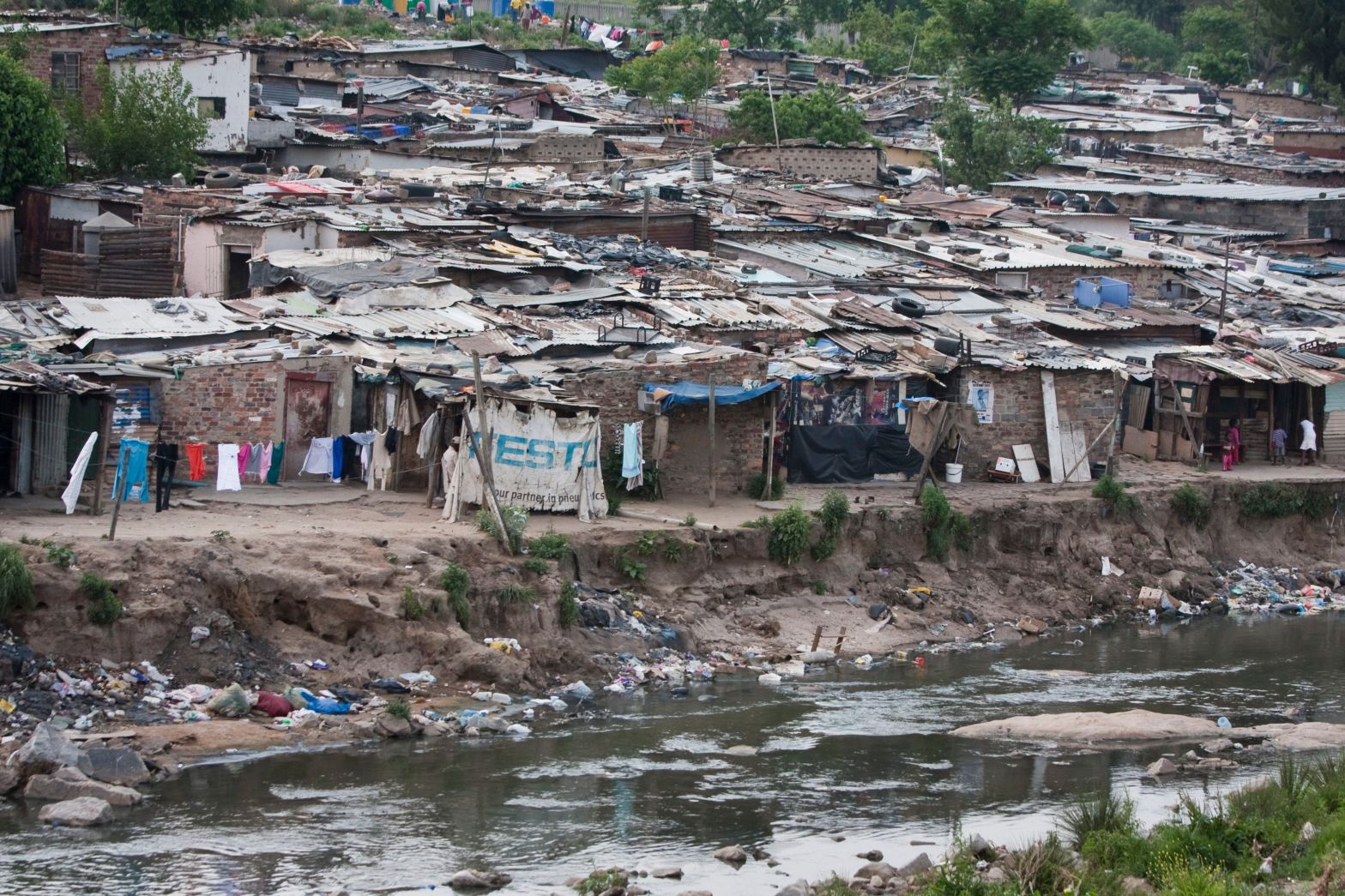
Poverty is a problem that has wide spread ramifications and affects people across the globe. Many problems that receive much attention in the media stem from poverty, however world leaders are not currently doing enough to combat this problem. Defining poverty is essential in formulating a plan to reduce the number of people currently living in it. In Jacqueline Novogratz’s TED talk she goes on to define Poverty as being a complex issue that should be viewed as more than just income or lack thereof. She goes on to discuss poverty as also being an issue of personal freedom that affects a condition about choice for people across the spectrum. The main issue she is trying to convey is that those with the ability to help must do so in a way that gives those living in poverty the opportunities to move out of it. To do so those in positions to give aid must build small, affordable, and infinitely expandable technology that those living in poverty can utilize. The current production of technology that could help those in poverty is too low, in part due to high costs associated with producing them. I chose a TED talk by Rutger Bregman which seeks to reform our perceptions of those living in poverty and rethink current efforts in combatting the issue. A central issue he discusses is the current stigma surrounding those in poverty that it is in some way their fault and their responsibility to pull themselves out of it. Rather than following that flawed logic Bregman suggests that those living in poverty live in a context in which promotes bad decision making. So much time, money, and effort has been put into treating the symptoms of poverty rather than addressing the underlying causes of why some people live in poverty. He suggests that those in power must stop pretending they know what’s best in combatting poverty and find new and more innovative means of helping.
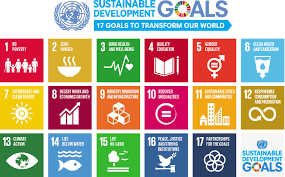
Sustainable Development goals have set forward tangible objectives for combatting poverty, aids, and discrimination of women and girls. SDG’s were adopted by the UN in 2015 and serve as a rallying point for countries to get involved and make a difference concerning some of the world’s most pressing issues. These goals are designed to span multiple subject areas as a way to show how current problems in the world are connected to one another. I believe these goals will be useful in bringing attention the level of connectedness we have to one another throughout the world and how our action or lack thereof affects those around us.
The effect of neo-liberalism is prevalent in how governments address poverty and has been detrimental in combating the issue. The World Bank and the International Monetary Fund have not been supportive enough of MDG’s and this has had a profound effect on how quickly and efficiently the problems are addressed. The World Bank must come to realize that prioritizing investment in social reform over economic reforms is what is needed to enact real change. The reluctance of these institutions to help from the beginning means that they have missed an opportunity to inspire others to help.
John McArthur goes into detail about the failures of those in power to enact meaningful change concerning poverty. He cites the U.S government as being one of the “players on the bench” due to the amount of aid they could offer compared to the amount of aid they do offer. Politics and the personal agendas of those in government have slowed progress and missed opportunities to inspire others to contribute. On the surface it seems as though governments such as the U.S have bought into combatting poverty, however when it comes to actually helping and working together they have failed. The stigma surrounding fixed foreign aid has deterred some in politics from addressing the subject due to fear of political resistance.
The article “How to Help Poor Countries” introduced many inefficiencies that are currently taking place in the realm of combatting poverty. The author suggests that governments should cut tariffs on goods and services being imported to these developing countries. These tariffs are detrimental to growth within the countries and discourage industrialization due to the high costs associated with doing so. Another way in which change can be enacted is by changing current multilateral trade agreements which lack transparency. Furthermore, the World Trade Organization should redraw their current policies concerning the settlement of trade disputes due to the fact that they are expensive and contain technical jargon that developing countries don’t have access to.
I found the article by Duflo and Banerjee to be very insightful and raised important issues concerning the implementation of aid in developing countries. One problem they raised that I thought stood out was the misallocation of resources currently taking place in countries which are in need of aid. From my experience I know that when the government proposes new taxes for more funding the public response is not one of joy but one of resentment. This is why we must find ways to use the money already allocated for aid in more efficient ways. By reallocating current resources we can improve growth in areas that are currently stagnating. Finding areas in which aid can make a substantial difference will be a focal point in moving forward.
Resources:
Bregman, Rutger. “Poverty Isn’t a Lack of Character; It’s a Lack of Cash.” TED, http://www.ted.com/talks/rutger_bregman_poverty_isn_t_a_lack_of_character_it_s_a_lack_of_cash?language=en#t-344227.
Novogratz, Jacqueline. “The Quest to End Poverty.” TED Talks, http://www.ted.com/playlists/67/the_quest_to_end_poverty.
Novogratz, Jacqueline. “Invest in Africa’s Own Solutions.” TED, http://www.ted.com/talks/jacqueline_novogratz_invest_in_africa_s_own_solutions.
“Sustainable Development Goals.” UNDP, http://www.undp.org/content/undp/en/home/sustainable-development-goals.html.
“Sustainable Development Goals.” UNDP, http://www.undp.org/content/undp/en/home/sustainable-development-goals.html.
“Sustainable Development Goals Launch in 2016.” United Nations, United Nations, http://www.un.org/sustainabledevelopment/blog/2015/12/sustainable-development-goals-kick-off-with-start-of-new-year/.
Sachs, Jeffrey. The Age of Sustainable Development. Columbia University Press, 2015.
McArthur, John W. “Own the Goals.” Foreign Affairs, Foreign Affairs Magazine, 6 Dec. 2013, http://www.foreignaffairs.com/articles/2013-03-01/own-goals.
Birdsall, Nancy, et al. “How to Help Poor Countries.” Foreign Affairs, Foreign Affairs Magazine, 15 Sept. 2015, http://www.foreignaffairs.com/articles/2005-07-01/how-help-poor-countries.
“Abhijit Banerjee & Esther Duflo in Foreign Affairs on Going Beyond Growth to Reduce Poverty.” Innovations for Poverty Action, 20 Dec. 2019, http://www.poverty-action.org/news/abhijit-banerjee-esther-duflo-foreign-affairs-going-beyond-growth-reduce-poverty.
By: Kody Gustafson
 Blog 4810