Part I:
- Factors that classify as good news in Africa include that it is beginning to develop and leave behind the issues found within the past. These issues include the government and dictatorial control found within many countries throughout Africa. Countries have begun creating working governments which have helped lead to economic growth as they are working towards a goal of growing economically. Democracy has allowed the people of these countries to have a say, along with being better equipped to see growth all around. With my specific country, Ghana, the growth has been present in several different ways. They have seen changes in their government systems which have allowed for the poverty level to drop yearly, their rights to be protected through governance, and for their income, to increase drastically. They are seeing growth and change that many of their surrounding countries are working towards as well. In 1992 they provided a constitution for a multiparty republic. Their governmental body consists of many of the same factors found in the US with a president, vice president, and elections of four year terms. Since the economic side has improved, health and welfare have also seen vast improvements due to better sanitation, hygiene, more access to medications and healthcare, along with education. They are nowhere near perfect, but there have been drastic improvements all around for Ghana.

Part II
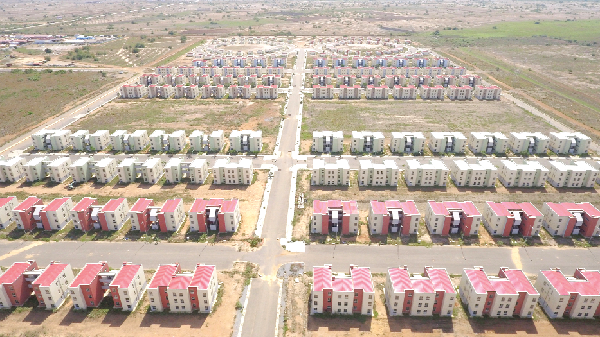
- Poverty traps are a cycle of a country being so poor that the only way they can begin being productive and seeing economic growth is through an investment, but lacking the funds that they need to overcome poverty. They need investments from outside sources in order to see growth. I think this is a definite possibility for many countries who have so many underlying issues such as a lack of technology, resources, being landlocked, diseased, etc. Not only do they need an investment, but they must use that investment in the right ways or it will be of little to no benefit. Many of these issues are present in Ghana although it does have its advantages as it is not landlocked, they have a growing government with rights. They have made improvements to their public health. Housing is an area in which Ghana needs improvements as many people are moving from rural to urban areas. The quality of housing is low, and they cost to build and provide low cost housing is an issue that could create a poverty trap. They are working towards providing better housing and large improvements are already very evident in many heavily populated areas.
- Ending poverty in all its forms is the goal of SDG 1. Within Ghana, there are vast improvements from where they had been in the past. Through the World
Bank site, you can see growth in almost every category, specifically GDP, school enrollment, life expectancy, GNI per capita and more. Their poverty levels have continually lowered over the past 15+ years and their growth rate from 1996-2008 is 2.6%. Economically, growth has been roughly 5% per year. Income has increased 2.6% per person allowing for more growth and a drop of the poverty line from 50% to less than 30%. - Human capital is a problem in Ghana when you put it in relation to other successful countries, but they are nowhere near the worst compared to other countries within
Africa. They rank at a .44/1.00 human capital index. Alongside this, their PPP was $4,051 in 2011. They are working in the right direction to continue to see improvements as their education levels improve, this will improve other important factors such as communication, judgement, emotional intelligence and more.
Sources
https://www.britannica.com/place/Ghana/Government-and-society
Click to access poor_economics.pdf
https://data.worldbank.org/country/ghana
https://sustainabledevelopment.un.org/sdg1
https://www.economicshelp.org/blog/26076/economics/human-capital-definition-and-importance/
 Blog 4810