By; Kody Gustafson
This week’s readings challenged my understanding of geopolitics and left me wanting to research the topic further. I would define geopolitics as being a unique way of studying the relations and interactions between not just civilizations but the people that make them up as well as how residing in a different space can influence values and beliefs. Geopolitics takes much more into account than just looking at international relations, it looks at both political and human geography. I found Dungins point concerning the state being an organic living being to be of significance. Prior to reading this article I didn’t take this approach into account and I feel as though I missed out on really analyzing a country. Another point I found interesting was that of his definition of space. He describes space as equating to quality and that each space has unique characteristics and effects on those living in it. Dividing the world into regions such as North, South, East, West allows for us to focus on differences between them. Even within these spaces they can be further divided and places that are labeled absolute have different characteristics than the rest of the space. I never really considered space to be more important than time, however after reading I have changed my mind and I agree with Dungin. I did further research on the effects that space have on people and their civilization as a whole and found that this was more profound than time.

I originally thought that geopolitics was centered around just studying international relations. I never really thought about how the space you live in influenced how you grow. Dungin offered a good example of how people growing up on an island country will have different values and beliefs than that of a large landlocked country. I did further research and found a Ted talk by Parag Khanna that offered valuable insight on geopolitics and how space has influenced history. He discusses the importance of space and how competing for space has influenced current borders and the conflicts that have been fought over them. This view conforms with Dungins and again shows how space influences beliefs and values.
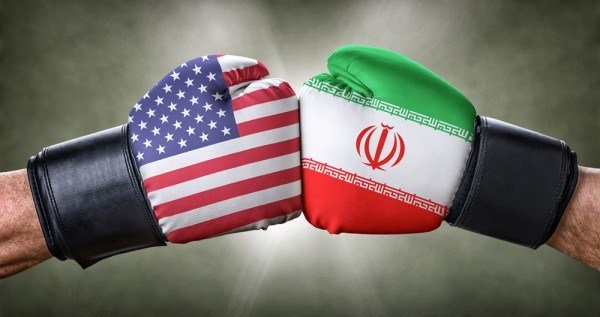
The Kinzer readings were also very interesting and to be honest they upset me to an extent. I was particularly upset with that fact that current U.S – Iran relations are so tense, and much hostility is present. I was unaware of the long fight for democracy in Iran and the fact that the U.S has failed to adequately support this movement upsets me in particular because our country has been through a very similar situation. Kinzer makes it clear that there are many parallels between the U.S fight for freedom and that of Iran’s. Both countries sought to shake off their oppressive leaders and had a genuine cause for doing so. I thought the story about Baskerville was of interest and I found myself comparing him to George Washington in some respects. In particular Baskerville and Washington were unlike former radical revolutionary leaders and their mission was genuine. Establishing democracy in the middle east is of great importance to the U.S government and they have effectively alienated the Iranians and have treated them with hostility rather than support. The U.S and Iran also have many things in common such as limiting Russian influence in the area. The push for freedom in the U.S is a main source of inspiration for the Iranians and the fact we have let them down is unacceptable. Bad policies and lack of cooperation have strained U.S Iran relations and this is even more prevalent today. By stressing the importance of history between these two powers Kinzer points out many ways in which the U.S and Iran are similar and are compatible to one another. All of the similarities should lead to a stronger relationship however this has not been the case. I agree with Kinzer and I believe the U.S needs to rethink their stance in respect to Iran. The U.S Iran and Turkey could become a power triangle within the region and this could promote the growth of democracy. I am looking forward to researching this topic further and I plan to follow current news between Iran and the U.S much more closely.

Resources:
“Geopolitics: Theories, Concepts, Schools, and Debates.” Geopolitica.RU, 2 Jan. 2019, http://www.geopolitica.ru/en/article/geopolitics-theories-concepts-schools-and-debates.
Kinzer, Stephen. Reset: Iran, Turkey, and Americas Future. St. Martins Griffin, 2011.
Khanna, Parag. TED, http://www.ted.com/talks/parag_khanna_mapping_the_future_of_countries?language=en.
 Blog 4810