In 1953, America and Britain collaborated to overthrow the happily democratic Iranian regime and return Reza Shah to monarchal dictatorship. It was a truly upsetting display of deceit by two Western superpowers, and objectively, Iran isn’t wrong to have a suspicious and spiteful glare at the West for how they operate and what they’re willing to do for oil.
Since then, most Iranians did not hold their returned ruler Reza Shah with much regard, as he was placed back through foreign-imposed power. He remained emperor for another 25 years before the Iranian revolution of 1979 and was replaced with Ayatollah Khomeini, who banned all political parties and reformed Iran to how it was prior to Reza Shah. It became the Islamic Republic of Iran. Mohammad Mossaddegh was sentenced to three years in prison and was then placed under permanent house arrest, while a large sum of his colleagues and associates were put to death. Along with the revolution came the Iran Hostage Crisis, which lasted for two years, and once again soured the relationship between the U.S. and Iran. Their bitterness for one another has never fully recovered.
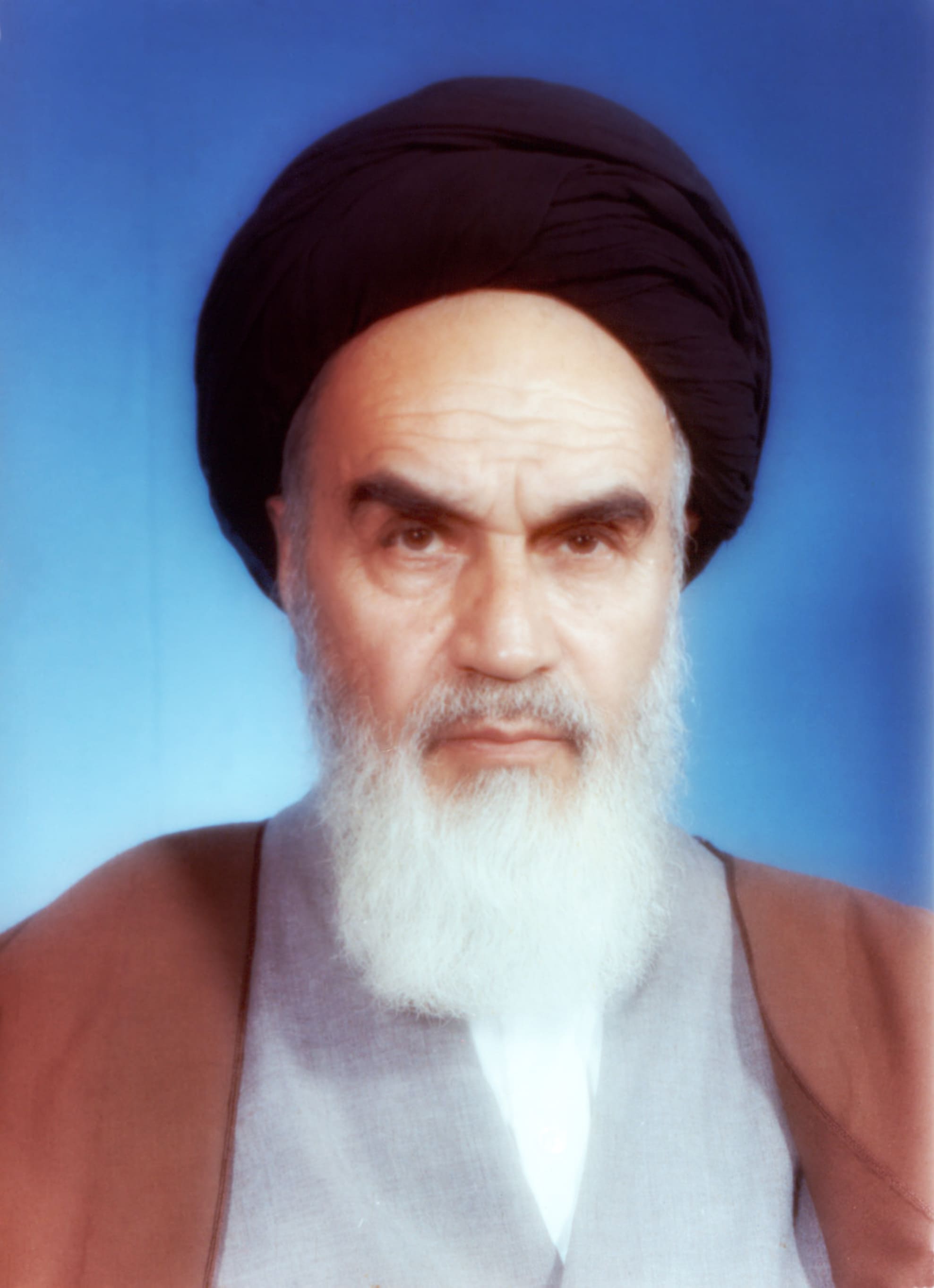
Dual containment is the policy by which America suppressed both Iraq and Iran during their almost eight-year war, supplying Iraq with arms and access to intelligence, then, two years later, secretly supplying Iran with arms as well. Kind of coaxing Iran into freeing American hostages in Lebanon. For fifteen years after that, they followed this policy for roughly fifteen years, during which Khomeini reverted Iranian policies to that of a former era, where news outlets were censored, civic groups were “crushed”, and women were simply less-than. It was upsetting
In regard to the differences between Truman and Eisenhower’s geopolitical standpoints, I didn’t find too much information. We were given a chapter of Dodds’s book about geopolitics to read where they related their administrations to xenophobic American cinema. Both Truman and Eisenhower served as President of the United States of America during the Cold War, where Americans were constantly being reminded of the threat of communism. During this time, under both administrations, Hollywood was having some kind of two-decade field day, toying with new ways to perceive the Soviet Union as the bad guy. Not to say they aren’t, given what we know about how even present day Russia is run as a nation, 1940s and 50s cinema weren’t afraid to give the Soviets the most cartoonish ways to bring death to capitalism. In terms of differences, I think the most I got out of the reading was that under Truman, they had Why We Fight documentaries made to show soldiers, and during Eisenhower’s run, we let the cinema speak for itself without government funding. It was already basically doing the government’s job for them. Both of their approaches seemed to be rather fear-mongering, for the sake of both unifying Americans against a common enemy and to keep the average citizen’s belief in the capitalist party system strong. Was it smart? Yes. Was it wise? I wouldn’t say so when considering all the post-war isolationism. But perhaps it was time to pay attention to domestic issues rather than foreign ones for a little while. 20 years seems like a bit much though.

Honestly, the script seems to be flipped in terms of how America acted when compared to how Iran and Turkey were in the 40s and 50s. Both of these nations were growing and growing, they were changing the way they viewed domestic politics and weren’t afraid to embrace the ideologies of nations that they formerly seemed to have a phobia of. Meanwhile, America was doing all it could to convince it’s citizens that they should be afraid of the outside world. People out there don’t think the same way we do and it’s a disgrace. Propaganda was everywhere, trying to paint the picture of the perfect lifestyle — one under our god and our flag. Funny to think about.
Lastly, in response to Walter Russell Mead’s take on the “Axis of Weevils”, I think Mead is accurate in the way he reads the way that Russia, China, and Iran operate and do business, but I’m not sure that they attempt to “chip away” at the global status quo the way he claims they do. I’m not one to look at any nation with hostility, so that dictates the way I feel about geopolitics in general, and I do feel as tho whenever they work with one another, it’s just them getting to do business on their own terms rather than that of the Western world’s order. Which is fine I suppose. I’m a little interested in the multi-billion dollar oil deal they had with each other, and obviously Russia was nefarious in their seizure of Crimea a few years ago, but I don’t know that it’s fair to impose one government’s beliefs on that of another’s when they’re making deals with people by their own standards. It comes off as shifty and undermining of the Western status quo on their parts, but the rest of the world seems to perceive them like that already. So I don’t see much harm in letting them do things there way if they’re the only governments involved. As for any foreign power flexes they try to pull like the Crimea problem, I think NATO should get involved.
Both theamericanconservative.com and nationalinterest.org felt that Mead’s argument wasn’t thorough enough in stating just how the “Central Powers” are trying to undercut global geopolitical standards. Which I somewhat agree with. He made many claims in regard to Russia, China, and Iran try to “reform” global politics by their own standards, but made few fully formed arguments on the topic of just how they try to undercut NATO’s ways of democratic solutions and political guidelines. I think he did make a solid argument describing how these countries are locked in their current borders without the ability to expand without global interference, and how if a democratic revolution broke out in any of these countries, the U.S. would likely be there to help. But even that is iffy considering the relationship with any of these countries would be considered crossed if the revolution was not successful. War could easily break out if any of those powers recruited the other two for help.
References:
tvo. (2014, June 17). Walter Russell Mead: The Return of Geopolitics. The Agenda with Steve Palkin.
Saunders, P. J. (2013, December 18). Wandering “Weevils”. Retrieved from https://nationalinterest.org/commentary/wandering-weevils-9584
Saunders on the “Axis of Weevils”. (n.d.). Retrieved from https://www.theamericanconservative.com/larison/saunders-on-the-axis-of-weevils/
Kinzer, S. (2011). Reset: Iran, Turkey, and Americas future. New York: St. Martins Griffin.
Dodds, K. (2014). Geopolitics: a very short introduction. Oxford: Oxford University Press.
 Blog 4810