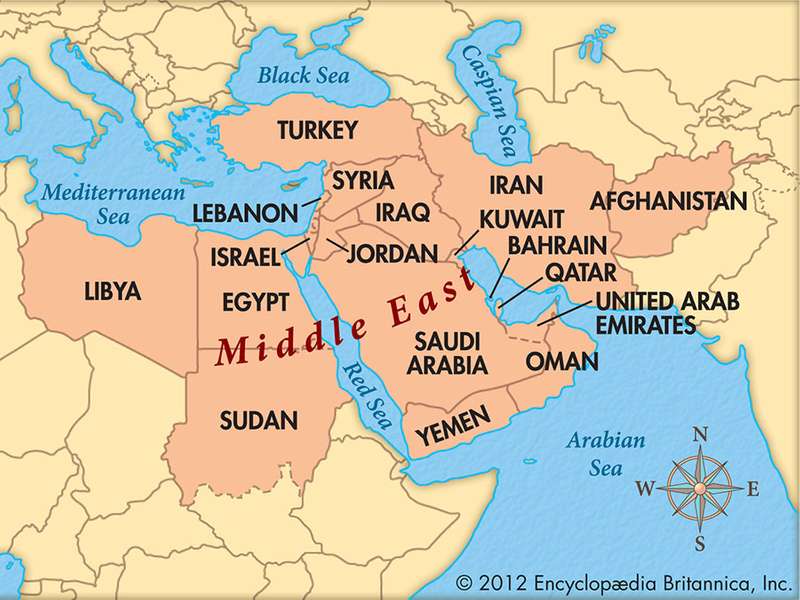
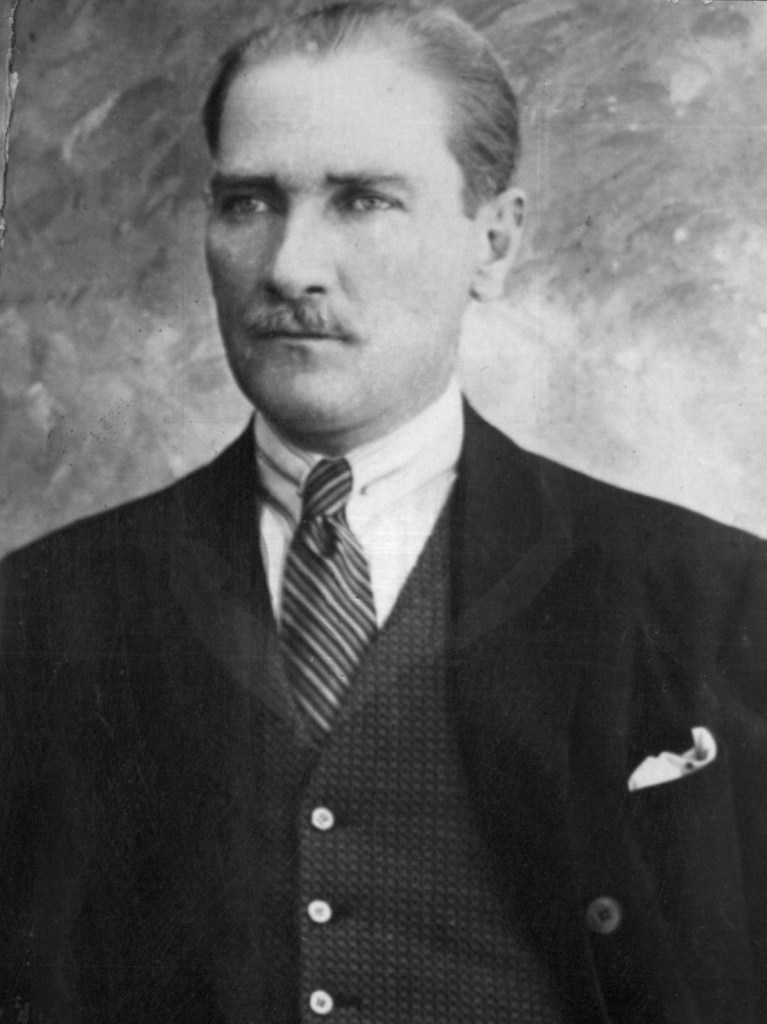
I don’t know if it was the content that I was consuming or just listening to the Kilner’s audiobook at 1.75x was what I needed to really get absorbed in this content, but this is the most captivated I’ve ever been by a reading for a writing intensive. Mustafa Kemal has one of the most polarizing biographies of any leader I’ve ever heard. To be so wrapped up in changing the ways of radical religious rule that he executed on the spot anybody who opposed him, in that of a similar fashion to the nation he was trying to set his own apart from was so crazy to hear. I was just cleaning my front yard and if anybody was spectating, they would’ve seen my eyes widen and jaw drop every eight seconds when I heard a new fact about his brilliant(?) lunacy(?).
The term secular modernity describes a civilization that is ruled by law. Not law that has been foretold to the people through ancient religious text, but that of which is conceived and implemented by modern governors of modern nations. I’m pretty sure it’s what most political systems today follow. Kemal wanted a country that was detached from the ways of traditional Shi’a Islamic rule and replaced with the western and European ideals that were current at the time. The way he achieved it was through means by which shocked me though. First of all, the audiobook I found on Audible numbers it’s chapters weirdly so I accidentally listened to the tail end of chapter 2 without realizing it, and I was floored by how Kemal lead Turkey to true independence, and then ruled over it with an iron fist. I also couldn’t get a read on Kemal for the longest time. He was described like a fearsome, fun-loving dictator that seemed to be so admired by his people even when he was showing signs of foolishness, weakness, and tyrancy. I couldn’t tell if he was a good or bad guy for the longest time. Even now I can’t tell how I feel about him. He sounds insane and the way he ruled and transformed Turkey so quickly without regard for how anybody felt about it is so conflicting. It’s completely admirable in many ways because he did, what I believe to be, the right thing: He took a nation whose growth seemed to be stunted by that of ancient Islamic law and did a complete 180 for the sake of freedom, prosperity, and secular dynamics. But in the process, his presidency mirrored a dictatorship because so many people weren’t in favor of it. And those who weren’t were quickly imprisoned or killed. But in the end, he advanced their society faster than it ever would have prospered under Shi’a rule and gave women the rights they deserved and turned it into a land of scholars and people who would one day sing his praises. It’s crazy to think about, but I think regardless of his methods, I’m a Kemal fan.
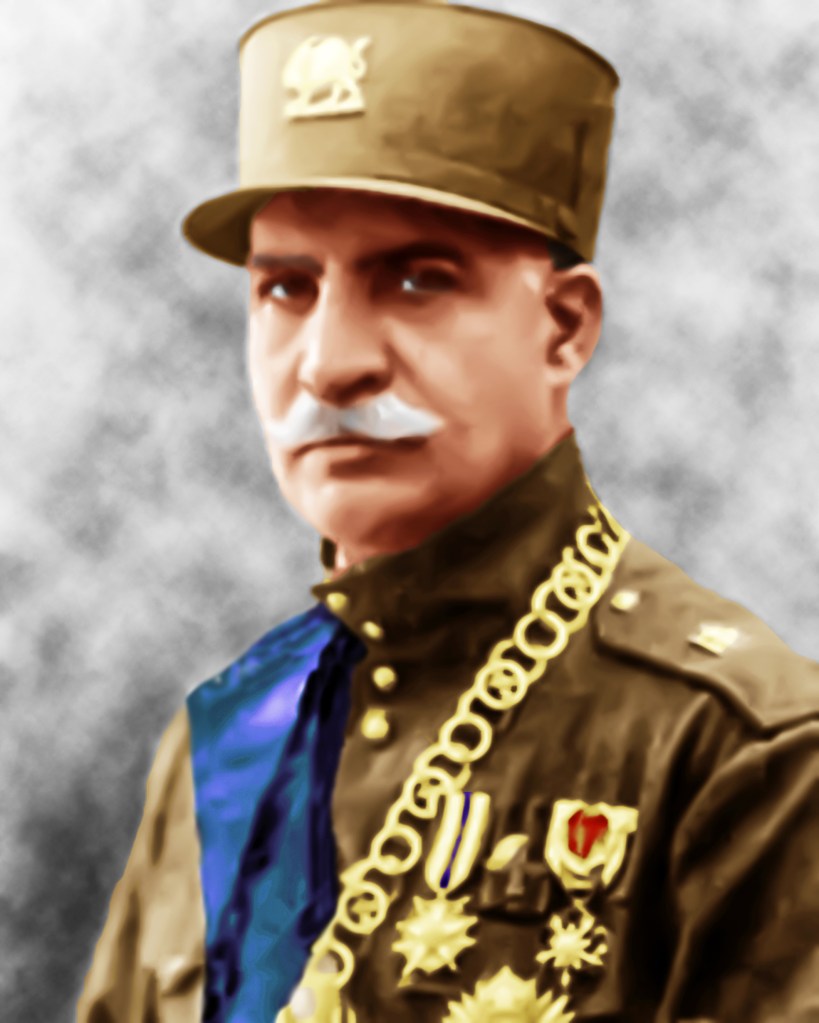
Iran played a different game that had a harder time adopting such secularity. They were a little slower to change and wanted to uphold some traditional Muslim ways. Kemal was radical, as to where Reza Shah didn’t feel inclined to remove religion from anybody’s way of life, rather than to take steps in modernizing the country for the sake of necessary change. He banned the chador from the work force for the sake of making women less restricted physically and imposed taxes on places of business that didn’t cater to both sexes equally (or at least closer to equally). He showed respect toward Jews and believed women should be educated and saw that the national railroad be built. He made progress happen in Iran. That said, though his newly imposed ideals were not as quick and radical as Kemal’s, it also preserved some unhelpful ruling methods, such as government monarchy, so that his son could later rule the country (which did not happen), and seemed almost as quick as Kemal was to exact power on anybody that defied his reign or new decrees through brutal force and executions.
Dodds states and restates the value of thinking critically in terms of geopolitics. This means to challenge any preconceived notion of a region or state and to thoughtfully acknowledge the nuances that are in the way of how any global politician or even citizen may think about a nation. There’s plenty of “Geographical facts”, as Dodds scoffs, that ignores plenty of geographical complexities. And thinking about any issues with a binary state of mind doesn’t help to solve any problems. It just categorizes problems and countries incorrectly and with lack of deep thought. A broad example Dodds uses is that we often perceive a nation as one singular entity and press the thoughts and opinions and needs of everybody from government official to blue collar employee to college student into one collective hive mind. Along with that comes the thoughtlessness that considers Paris all of France, while disregarding the needs of each individual community in the country. And in an ideal geopolitical landscape, we would be taking everything about the political environment and physical ecosystem of a space into consideration. We would think about not only how it would affect the elected officials of a region, but the animals and the terrain. We have to consider the country folk of the Middle East and not just the loud, upset bureaucrats in Tehran. And it won’t be until we take every factor of a place and a space into account that the world can come to a global understanding of itself. It requires work and research, conversation and debate but Dodds is absolutely correct when saying “It is essential to be geopolitical.
References:
Kinzer, S. (2011). Reset: Iran, Turkey, and Americas future. New York: St. Martins Griffin.
Dodds, K. (2014). Geopolitics: a very short introduction. Oxford: Oxford University Press.

